Introduction
Picture a night shift where orders spike, chargers hum, and pallets of cells roll in just as a truck departs. In that moment, smart logistics is not a buzzword; it is the difference between smooth flow and missed windows. One survey showed that nearly 40% of intralogistics delays trace back to handoffs and idle time—small waits that add up. So, here is the question: why does battery handling, the heart of electrified supply chains, still feel like the slowest lane in a fast system? I have seen operators stitch together workarounds, moving between scanners, PLC screens, and WMS alerts (a little gambiarra, we all do it). The truth is simple and a bit ironic—when handling is slow, everything else looks busy, yet nothing moves—funny how that works, right? This is where we start, with a real floor scenario, a real number, and a real challenge. Let’s set the stage and then look at what actually holds teams back, and what helps them move ahead.

Hidden Friction in Battery Handling: Old Playbooks vs. New Flow
Where do traditional methods fall short?
Let’s be technical for a moment. Traditional lines treat battery handling equipment as a collection of stations and handoffs. A conveyor here, a lift there, a manual scan before storage, and a late-stage check before dispatch. The Warehouse Control System (WCS) cues an AGV fleet, but routing rules are static. Edge computing nodes, if present, do not close the loop fast enough. Power converters and chargers sit as islands, not data citizens. Result: dwell time grows, buffers swell, and the line waits on verification. Look, it’s simpler than you think: when charge state, lot genealogy, and hazard flags live in different systems, the floor runs on radio calls. And radio does not scale. Vision systems detect labels, but the Warehouse Management System (WMS) approves later. Between those moments, risk and delay sneak in.
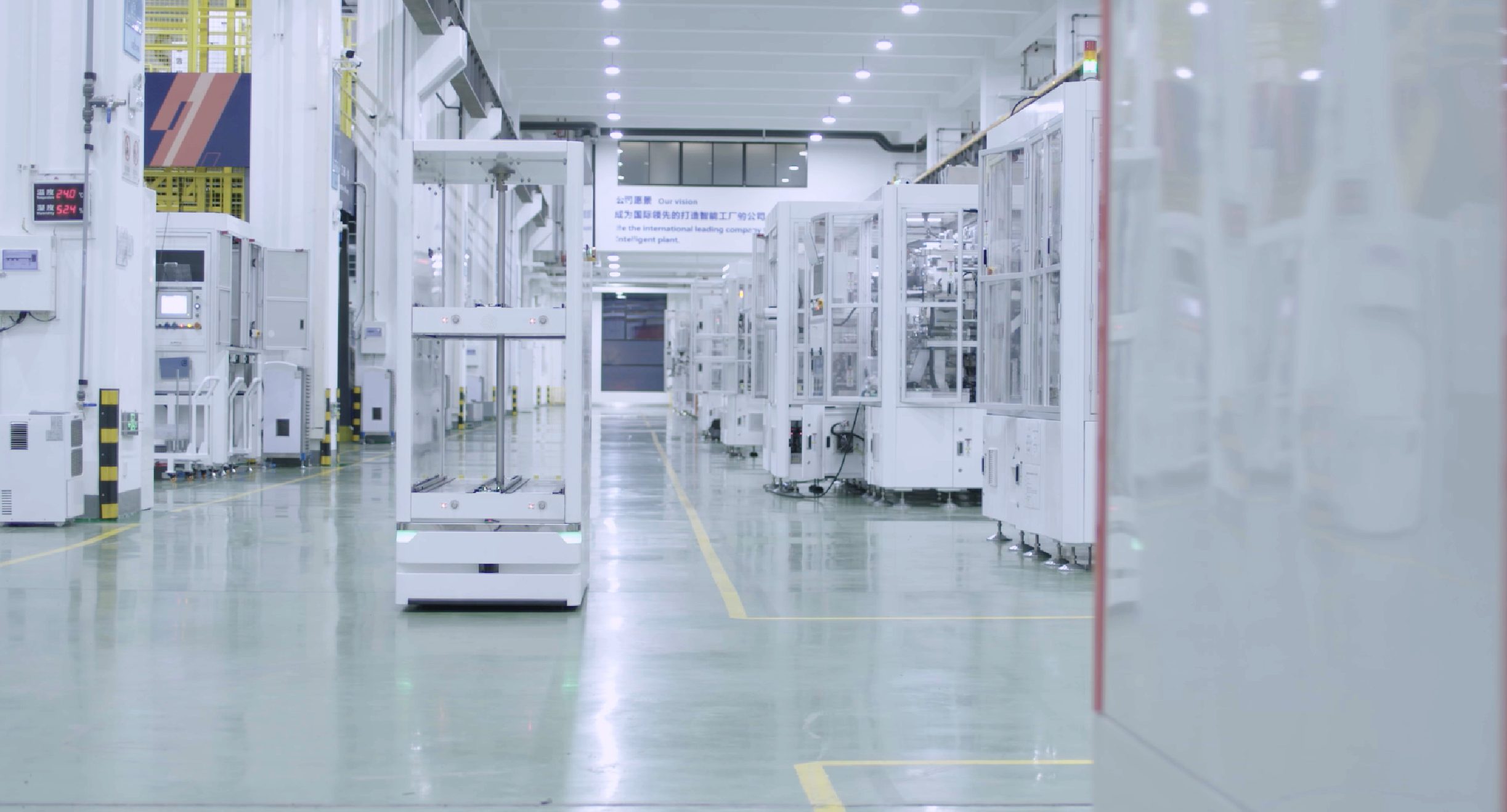
There is more. Many cells require traceability down to tray and timestamp. Yet conventional PLC logic checks only for presence, not context. So exceptions turn into stop-the-line events. Operators re-scan. AGVs loop. The buffer before formation gets tight, then safety stock grows to “feel safe.” Meanwhile, maintenance sees alarms after the fact; MTTR stretches. No digital twin to simulate loading, no heat map to predict choke points, no unified events tying WES decisions to the floor. Even a simple swap, like changing a route, needs vendor time. That is the hidden cost: less agility, more coordination overhead, and a creeping gap between plan and reality.
Principles That Change the Game: From Islands to a Cohesive, Data-First Flow
What’s Next
Forward-looking, let’s compare how new principles stack against the old. First, event-driven orchestration replaces timer-based queues. Instead of waiting for polling cycles, edge agents publish state changes—charge, temperature, torque readings—so the WES reacts in milliseconds. Second, a digital twin mirrors the floor, with each tray and rack modeled, so planners test “what if” before shifting the line. Third, computer vision and safety PLCs fuse with IoT sensors; they verify identity, orientation, and ESD safety as one flow, not as add-ons. Fourth, modular APIs (OPC UA and REST) let chargers, battery handling equipment, and AGV/AMR traffic share a common event bus. No more islands—just services that speak the same language. The win is practical: fewer re-scans, dynamic routing when congestion hits, real-time genealogy tags, and power cycles that align with takt, not the clock. And when exceptions happen—as they always do—the system proposes a safe detour, not a stop. Small change, big calm.
To choose well, use three clear evaluation metrics—simple to say, tough to fake. – Responsiveness under stress: Measure event-to-action latency at peak load, not in a demo. Can the system reroute within one second when two AGVs block a lane? – Traceability depth and speed: Audit how fast you can pull a full history for a pallet, tray, and cell, including charge cycles, torque, and operator touches. Target seconds, not minutes. – Upkeep without drama: Check mean time to adapt (MTTA). Can you change a rule, add a station, or retune power profiles without vendor code? Count hours, not weeks. If these are strong, you get fewer idle minutes, cleaner audits, and steadier throughput. We moved from patchwork to platform thinking, and the difference shows in calmer shifts and clearer dashboards—funny how alignment feels fast. For more grounded insight from the field, I keep an eye on teams like LEAD.
